THE PSYCHOLOGY OF ROCK CLIMBING: A SYSTEMATIC REVIEW
This article presents a thorough review of psychological research related to climbing. It highlights how focus, stress management, and motivation impact climbers’ performance on the wall.
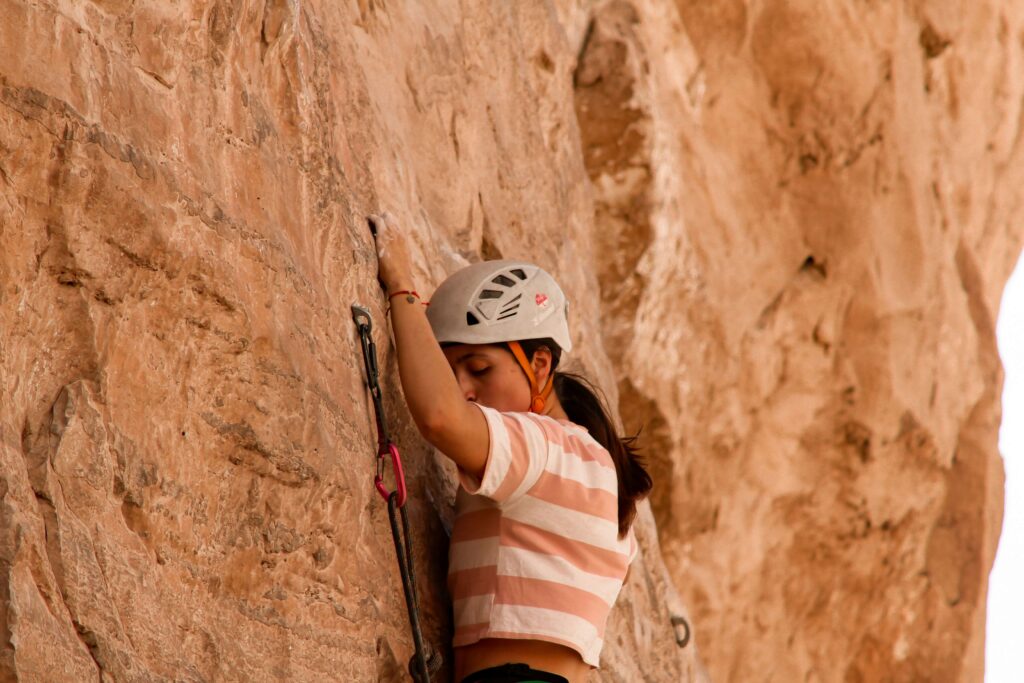
This comprehensive review synthesizes findings from 83 studies on the psychological factors influencing rock climbing performance. Key takeaways include the importance of managing psychophysiological stress, the role of intrinsic motivation, and the concept of “flow” states in enhancing climbing performance. The review also highlights how climbers’ self-confidence, decision-making abilities, and perception skills contribute to their success.
This article presents a thorough review of psychological research related to climbing. It highlights how focus, stress management, and motivation impact climbers’ performance on the wall.
Beyond performance, the review also examines how climbing influences personal development, such as building confidence, coping with fear, and fostering a strong sense of self. It’s a valuable resource for climbers and coaches looking to integrate mental training into their routines.